Case Study · Experience Design · Service Design · Hospitality Strategy

Beyond the Cabin: Designing for Connection, Wonder & Reflection

Guest research revealed that people weren't booking a cabin. They were searching for rest, connection, and meaningful experiences. Using those insights, I designed a portfolio of physical, digital, and hybrid experiences that transformed a stay in nature into moments of connection, wonder, and reflection.
My Role Experience Design & Innovation Lead
Output Experience Framework · Physical, Digital & Hybrid Experiences · Guest Testing
HAVN nature retreat — experience design
The Brief

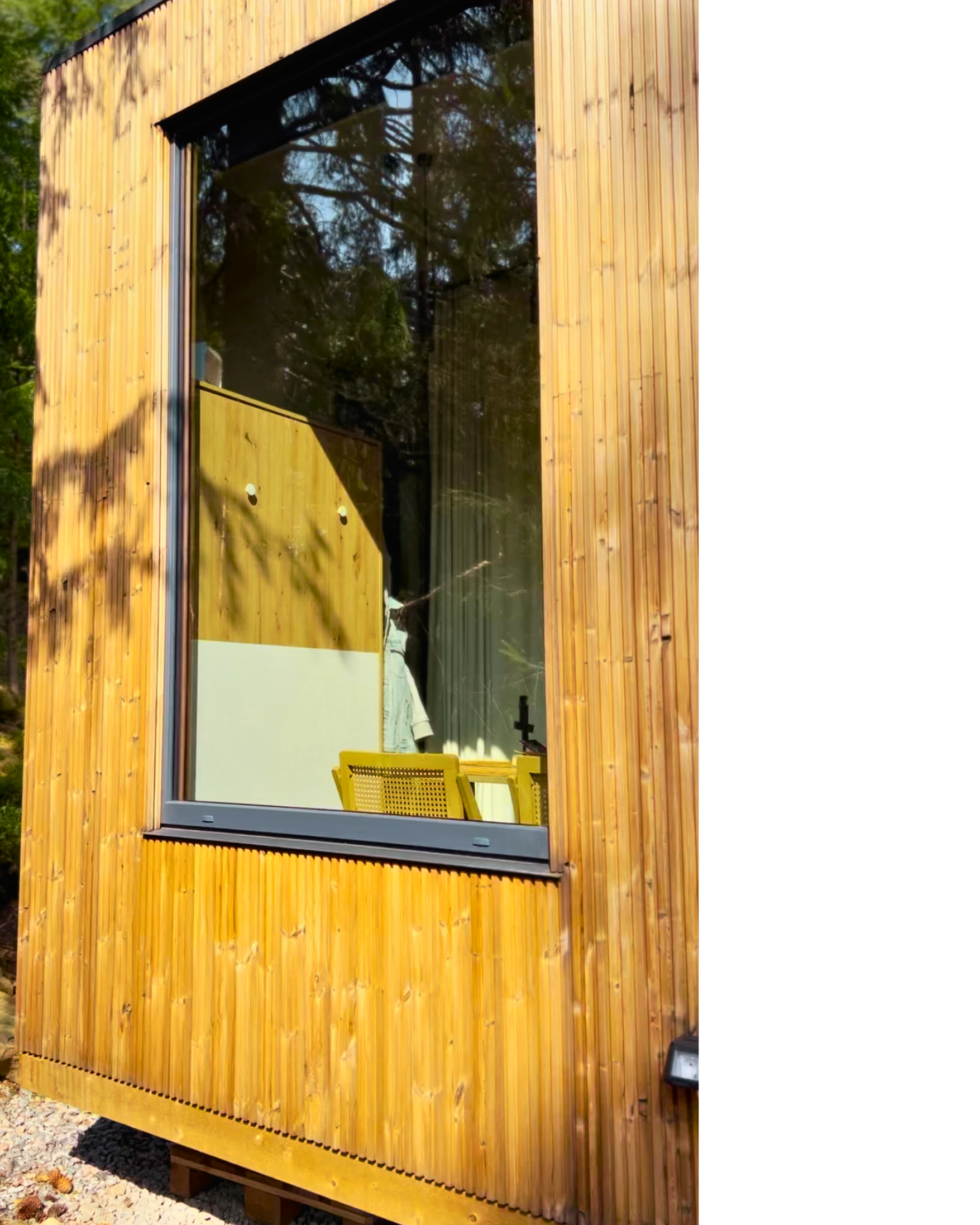
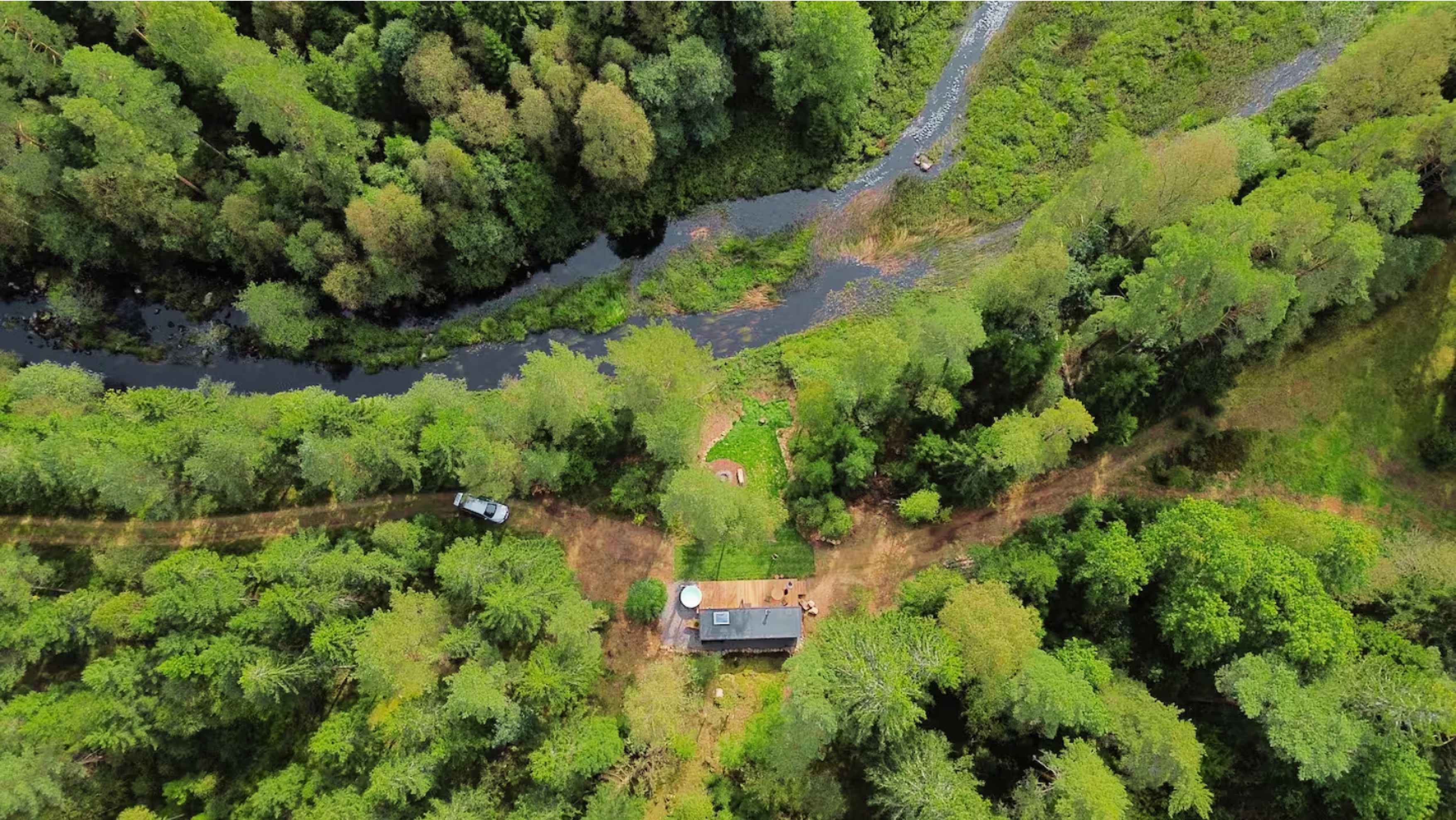
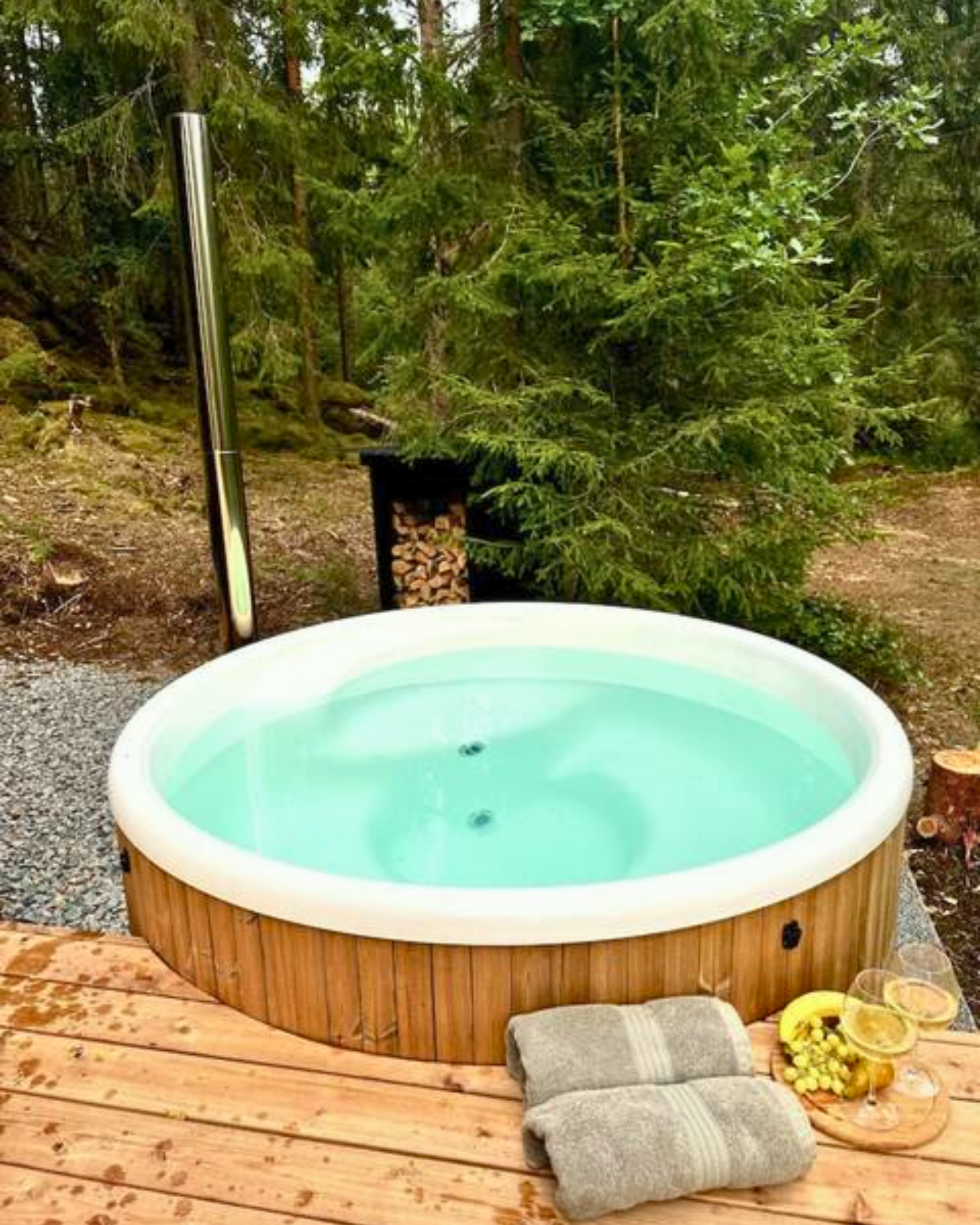
Beautiful setting.
Missing meaning.

Guest research revealed that people weren't just looking for accommodation. They were seeking rest, connection, and meaningful moments in nature. The opportunity was to design experiences that helped guests engage more deeply with their surroundings and with each other.

Impact

What the work
made possible.

01 · Process

How I approached it

1

Listen to the research

Synthesised guest interviews, journey maps, and behavioural data to understand what guests were really searching for.

2

Build the framework

Translated insights into three experience categories — physical, digital, and hybrid — each serving a different guest need.

3

Prototype and test

Designed individual experiences, tested them with real guests, and refined based on what created genuine emotional impact.

4

Scale the system

Documented each experience with delivery guides, host notes, and operational formats ready for seasonal rollout.

What I owned

Research Synthesis

Translated guest interviews, journey maps, and behavioural patterns into a clear opportunity space. Identified the emotional needs behind what guests said they wanted.

Experience Design

Designed each experience from concept to guest-ready format. Created physical elements, digital journeys, and hybrid rituals grounded in the emotional needs identified through research.

Innovation Framework

Built a scalable system for ongoing experience development: prototype, test, refine, and document. Handed over operational guides for the team to deliver consistently.

03 · Challenge

More than a cabin. More than a stay.

A beautiful place to stay already existed. The opportunity was to create a reason to remember it.

Guest research revealed that visitors were seeking different forms of connection, whether with nature, a partner, friends, or themselves. Yet much of the guest journey remained unsupported beyond the accommodation itself.

"Guests weren't just booking a cabin. They were looking for something meaningful to take away from the experience."

The challenge: how might we transform a stay in nature into a collection of moments that guests genuinely remember?

Challenge — guest insight mapping

Three ways to design for feeling

Physical experiences
Category 01
◎

Physical Experiences

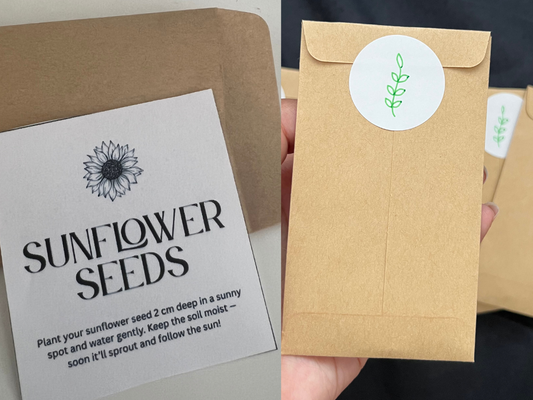
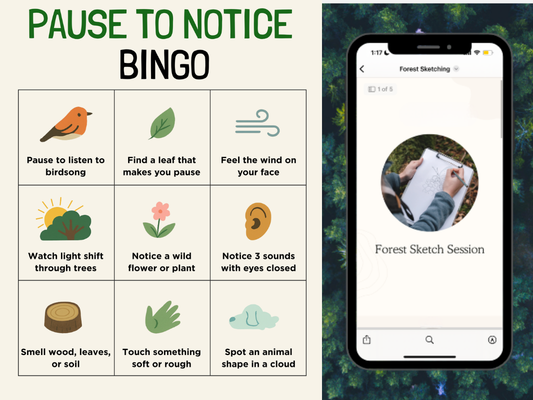
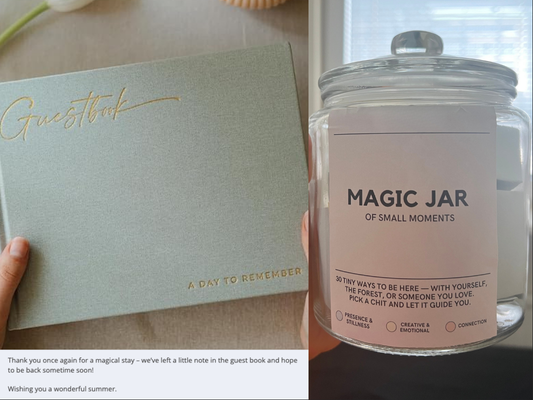
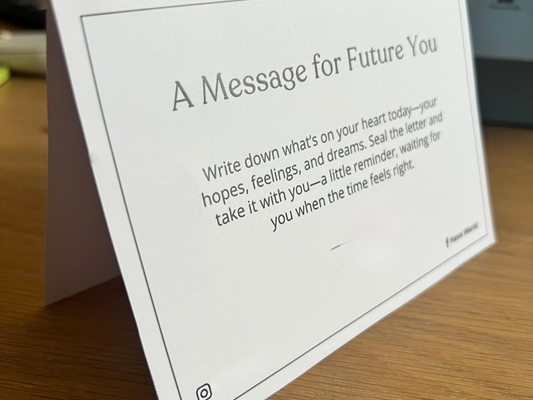
Tangible, hands-on moments built around ritual and connection. Curated materials, prompts, and physical elements guests can see, touch, and remember.

Digital experiences
Category 02
◈

Digital Experiences

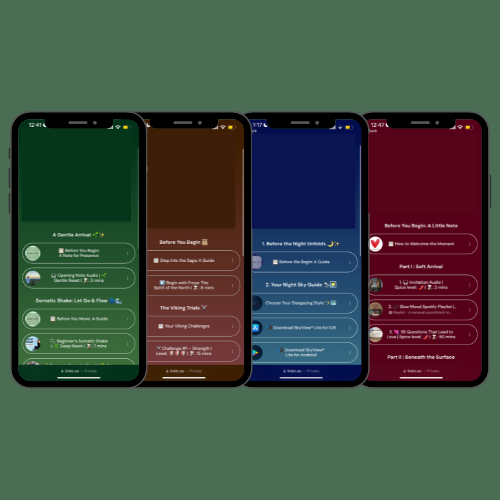
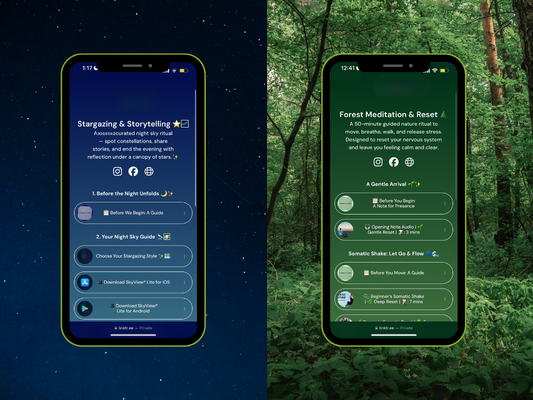
Guided audio and digital journeys that help guests slow down and become present. No apps, no friction — just a gentle structure for the curious and the quiet.

Hybrid experiences
Category 03
◇

Hybrid Experiences

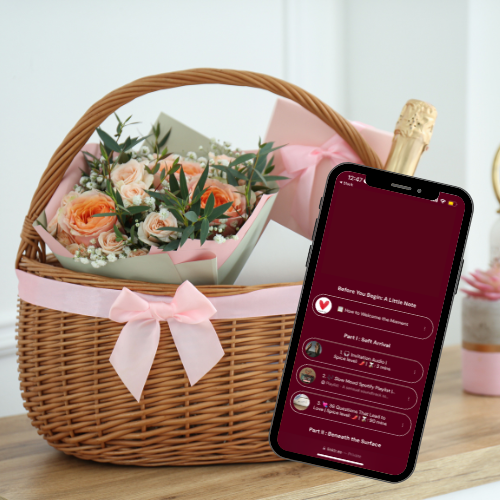
Physical elements paired with digital guidance to create deeper emotional moments. The combination creates something neither format achieves on its own.

Real experiences. Real moments.

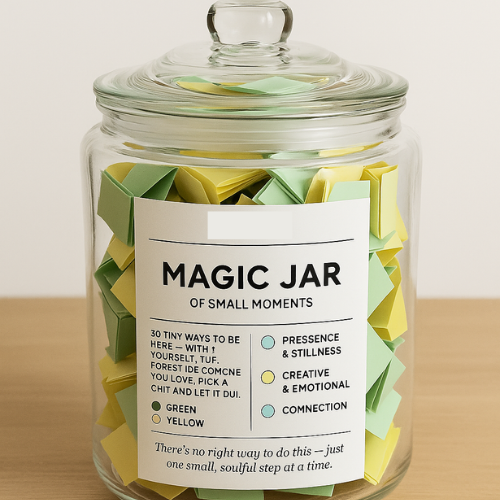
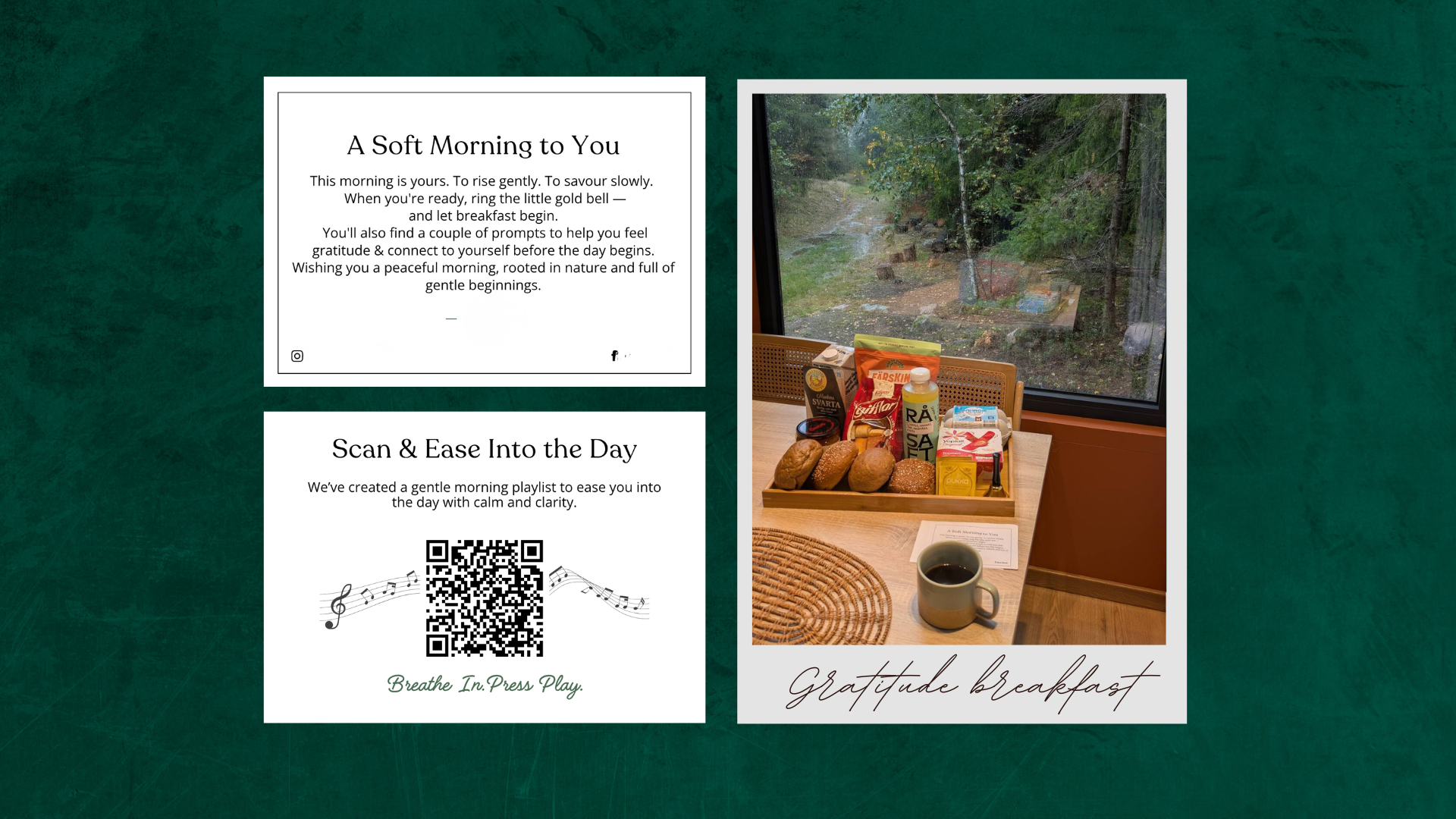
Experiences from the portfolio — each built around a specific guest emotion and a specific moment in the stay.

From insight to experience

Guest insights were translated into a practical experience system. The focus was on creating concepts that were valuable to guests, feasible to deliver, and easy for the team to test, refine, and scale.

01
Experience Strategy & Opportunity Mapping

Translated research into a clear direction

Translated guest research into clear opportunity areas, identifying where experiences could create the greatest emotional impact across the guest journey.

⊙

Insight Synthesis

Guest interviews, journey maps, and behavioural patterns synthesised into a focused set of emotional needs and opportunity spaces.

⊟

Opportunity Prioritisation

Opportunities ranked by emotional impact, feasibility, and alignment with what the location naturally offered — focusing effort where it mattered most.

⊞

Guest Need Mapping

Different guest types mapped to different emotional needs — solo guests, couples, groups — each requiring a different kind of experience.

⊗

Experience Principles

A set of guiding principles to shape every experience: grounded in place, easy to deliver, meaningful without being over-produced.

02
Experience Framework Design

A repeatable system for creating, testing, and scaling

Created a repeatable framework for designing, testing, delivering, and scaling new experiences over time — so the team could keep building without starting from scratch.

◎

Experience Categories

Physical, digital, and hybrid defined as distinct formats — each suited to different guest motivations and moments in the stay.

◈

Creation Guidelines

Simple criteria for what makes a good experience — grounded in guest need, deliverable by the team, and appropriate to the setting.

◇

Testing Process

A lightweight testing model using real guests to evaluate what created genuine emotional impact versus what only seemed appealing in theory.

◉

Scaling Model

New experiences can be added within the existing categories without disrupting what works — a living system that grows with the retreat.

03
Physical, Digital & Hybrid Experiences

A portfolio designed around guest motivations

Designed and prototyped a portfolio of experiences tailored to different guest motivations, from reflection and presence to connection and shared moments.

◎

Physical Experiences

Tangible, hands-on moments using curated objects, prompts, and rituals — designed for guests who wanted something to do, hold, and remember.

◈

Digital Experiences

Guided audio and digital journeys that helped guests become present — delivered with no apps, no friction, and no specialist knowledge required from the host.

◇

Hybrid Experiences

Physical setups paired with digital guidance to create deeper emotional moments — the combination achieving something neither format could on its own.

◉

Seasonal Concepts

Experiences adapted to the rhythm of the seasons — keeping the portfolio fresh and relevant across the whole year.

04
Operational Rollout & Team Enablement

Making sure the work could actually be delivered

Documented experiences and aligned teams across operations, customer support, and on-site delivery to ensure consistent execution — because a great experience that can't be delivered reliably isn't a great experience.

⊙

Delivery Playbooks

Step-by-step guides for each experience — clear enough for any team member to deliver without needing to understand the design decisions behind it.

⊟

Team Guidance

Aligned operations, customer support, and on-site hosts around how each experience worked and what a successful delivery looked like.

⊞

Guest Communication Support

Templates and guidance for how to introduce experiences to guests — reducing friction and setting the right expectations before they began.

⊗

Experience Documentation

A complete record of every experience — rationale, delivery notes, materials list, and testing outcomes — so the team could refine and build on them over time.

What this delivered

3
Experience categories created — physical, digital, hybrid
15+
Experiences prototyped and tested with real guests
Scalable
Innovation framework for ongoing experience development
∞
Room for future growth and experimentation within the system

Real experiences from real insight

Every experience was built around something a real guest said they were searching for — not assumptions about what a retreat should offer.

Stronger differentiation beyond accommodation

The retreat could now offer something competitors couldn't easily copy: experiences native to the place, the season, and the guest.

A system, not just a set of ideas

The innovation framework means the team can keep developing new experiences without starting from scratch each time.

New revenue and engagement opportunities

Experience add-ons created a pathway to upsell, personalise, and deepen the guest relationship before, during, and after the stay.

08 · Reflection

What this project taught me

Great experiences don't start with activities. They start with context. The concepts that landed best were the simplest ones — a prompt, a moment, a small ritual that helped guests pay attention to what was already around them. Design didn't need to add more. It needed to get out of the way.

"Guests remember how an experience made them feel, not how much effort went into creating it."

Guest needs shift with the season, the occasion, and the person. A solo traveller in November wants something different from a couple celebrating in July. Good experience design leaves room for that — it's a framework, not a fixed menu.

And a great idea that a team can't deliver consistently isn't actually a great idea. The playbooks, guides, and testing processes weren't the boring part of this project. They were the point. The goal was never to design a few good moments. It was to build something that kept making them.

Experience design — reflection