Case Study · Service Design · User Research

Supporting Independent Living Through Food & Human Connection

A service transformation project focused on improving how older adults access groceries, receive support, and maintain meaningful connections within their community.
My Role Service Designer & User Researcher
Client AgeUK Lewisham
Location London, United Kingdom
Supporting independent living through food and community connection — AgeUK Lewisham service design project
The Brief

A valuable service
ready for its next chapter.

Food2You helps older adults access groceries while providing something equally important: human connection. The project focused on understanding what made the service valuable, identifying operational friction points, and uncovering practical opportunities to improve volunteer recruitment, order management, and community engagement without increasing complexity or cost.

Impact

What the work
made possible.

01 · Approach

How I worked through it

1

Go See

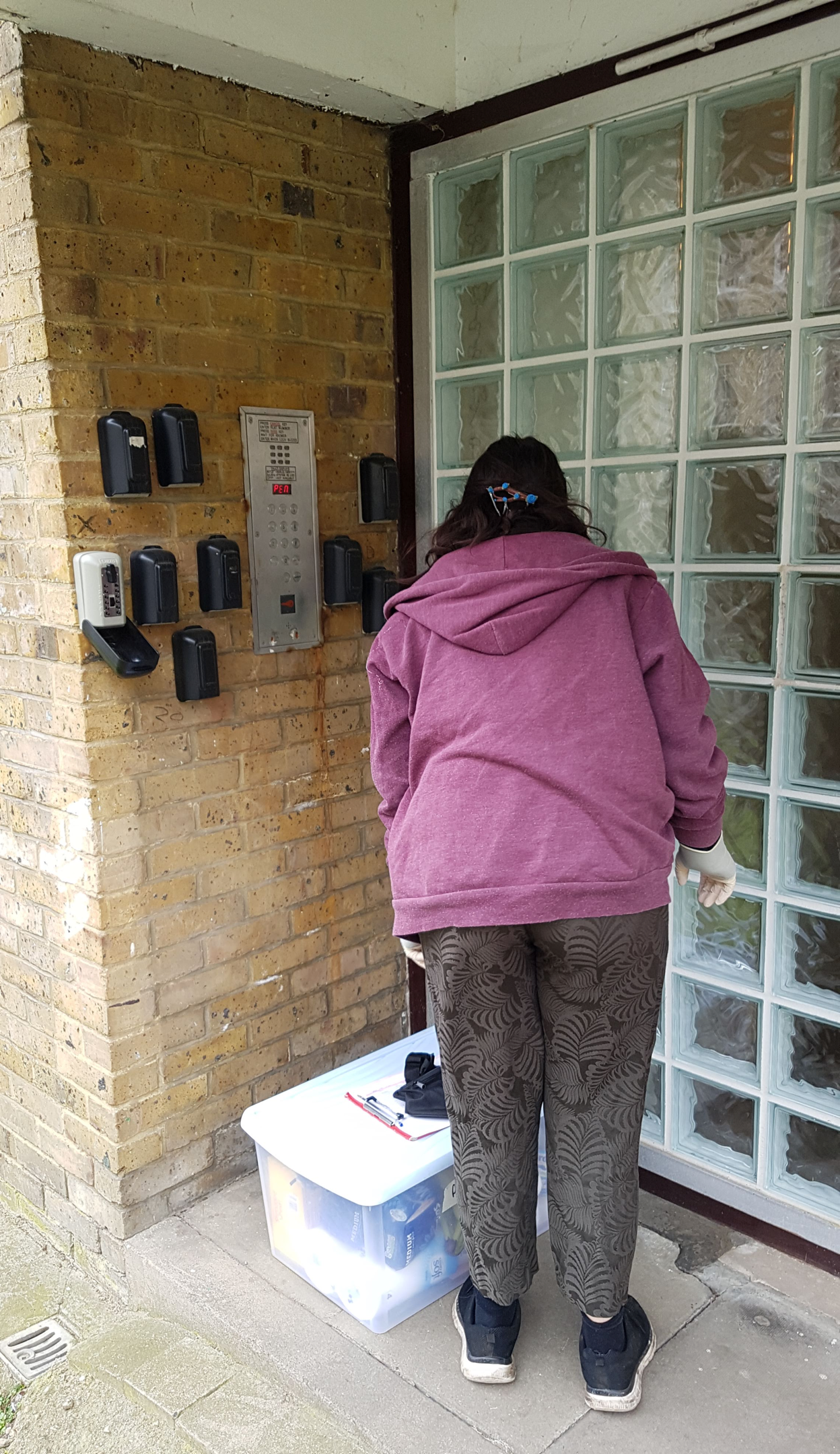
Conducted a service safari — observed the full delivery process in the field, from store to customer's door.

2

Map the Problems

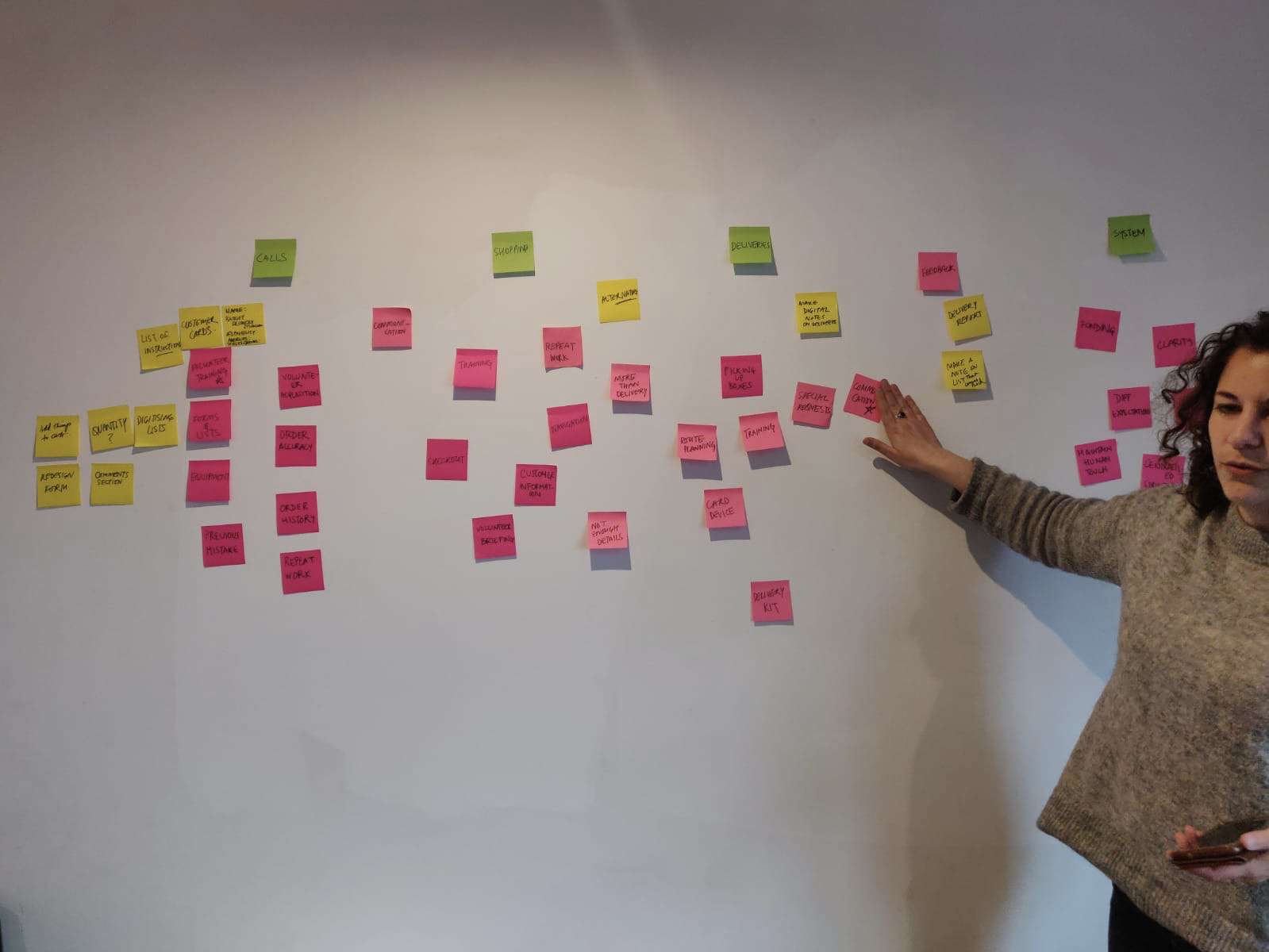
Synthesised observations into a problem map across all five service stages. Discovered how many issues were actually connected.

3

Divide and Design

Split proposals by stage — Pre, During, and Post-Service — to ensure each intervention was focused and feasible.

4

Prototype Fast

Built quick, suggestive prototypes the client could react to, refine, and start using almost immediately.

02 · Research: Fieldwork

Service Safari

A field observation exercise that followed the complete delivery journey, revealing the people, processes, and handoffs behind the service.

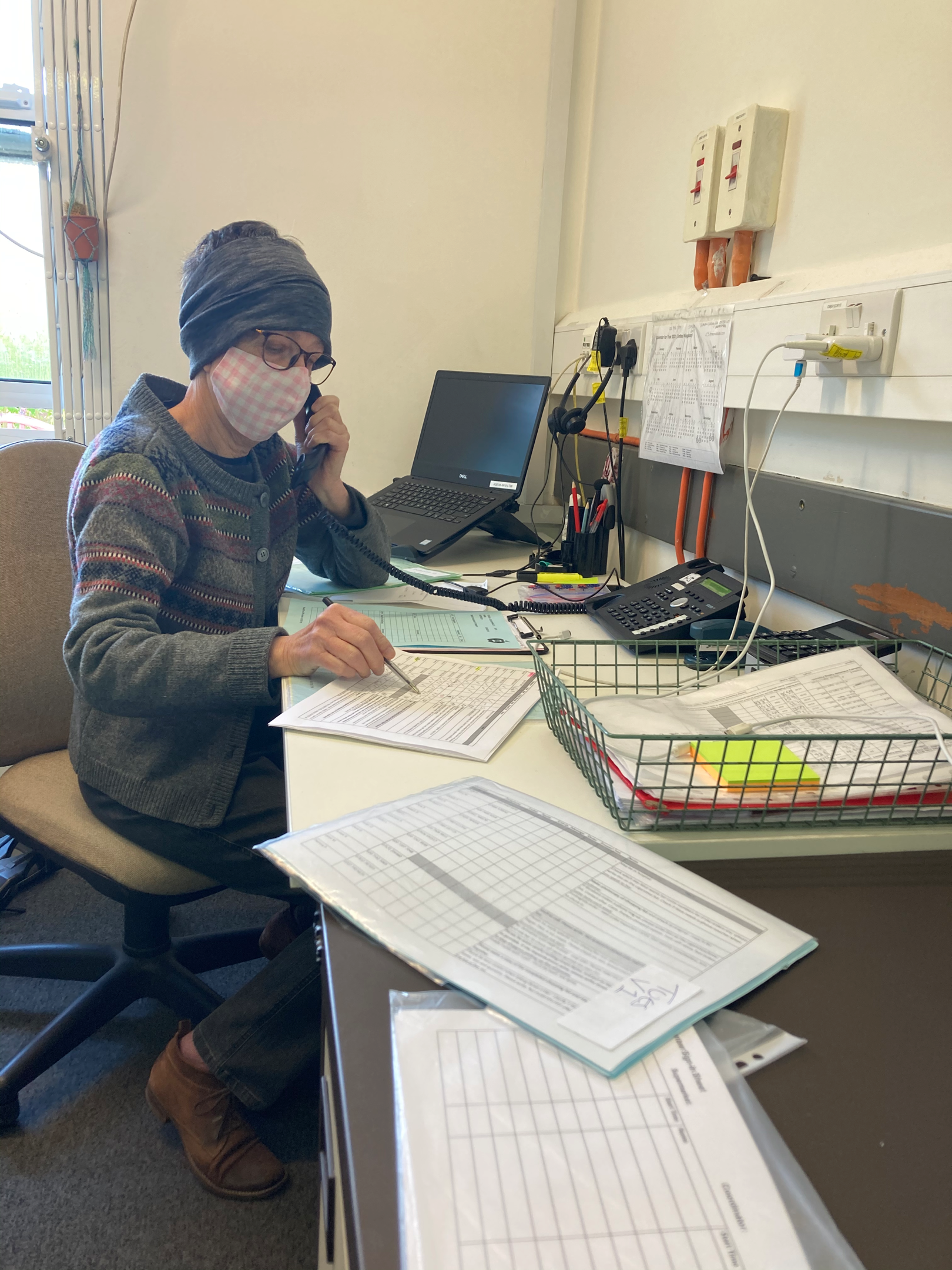
Taking orders over the phone Taking Orders
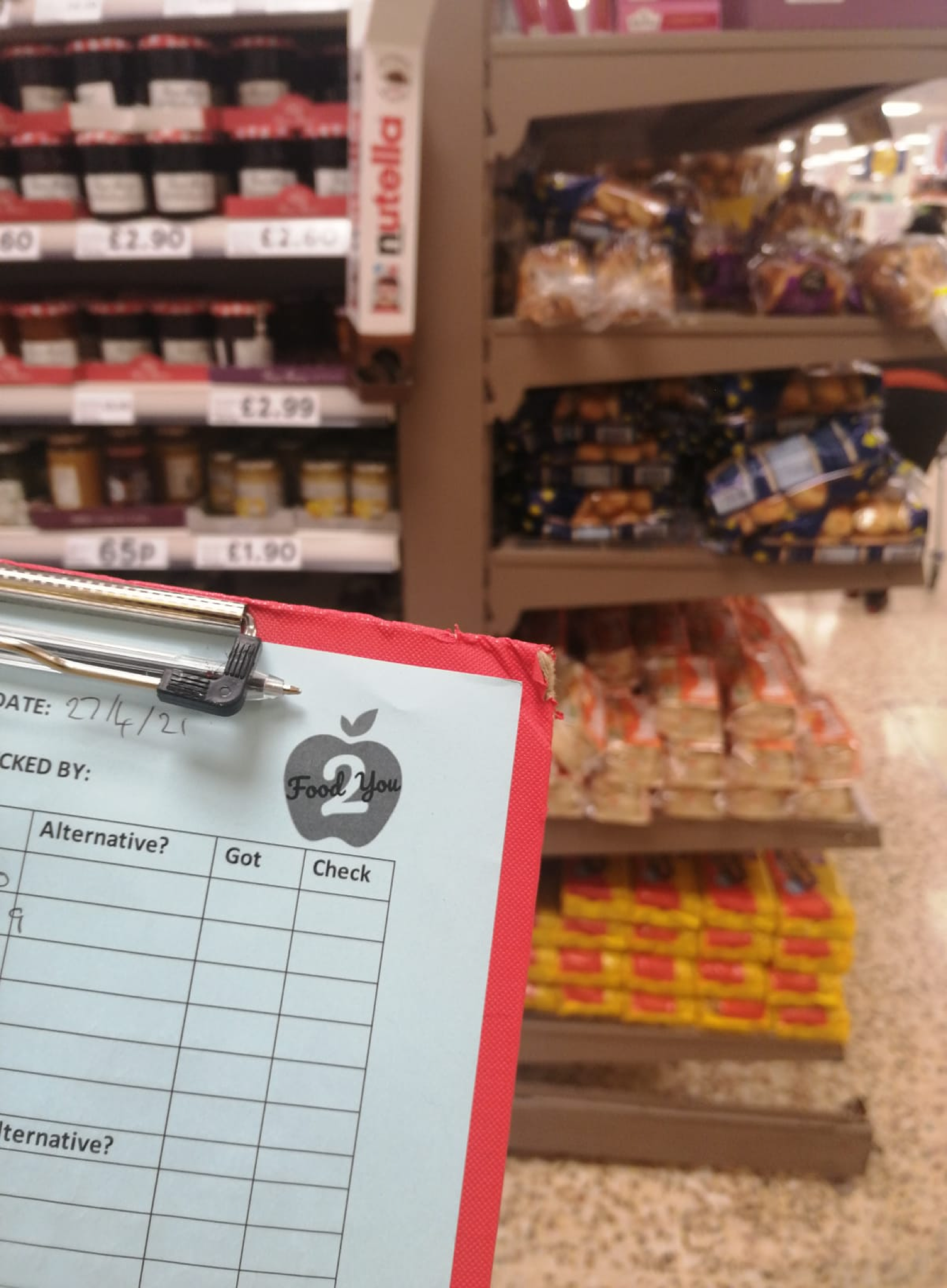
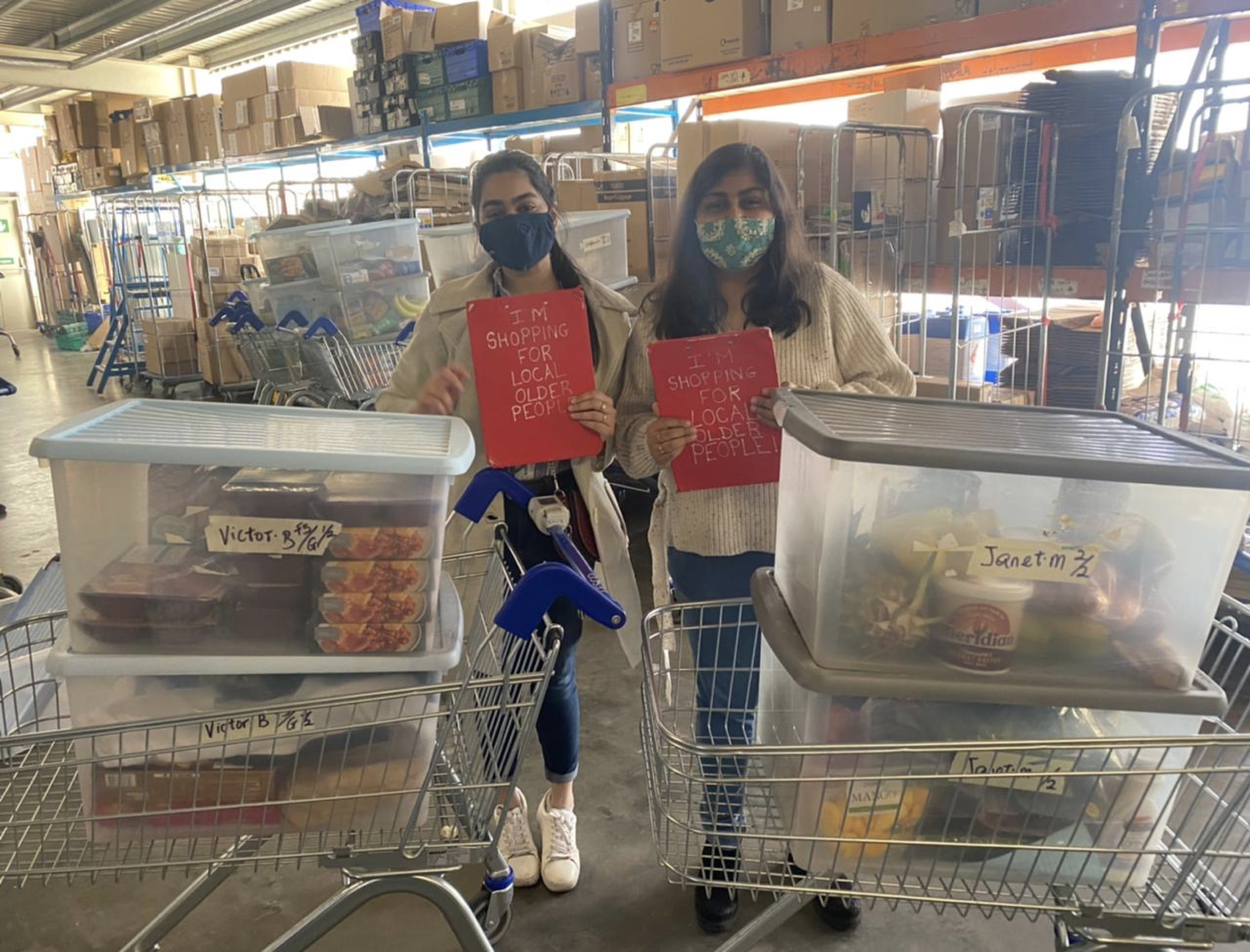
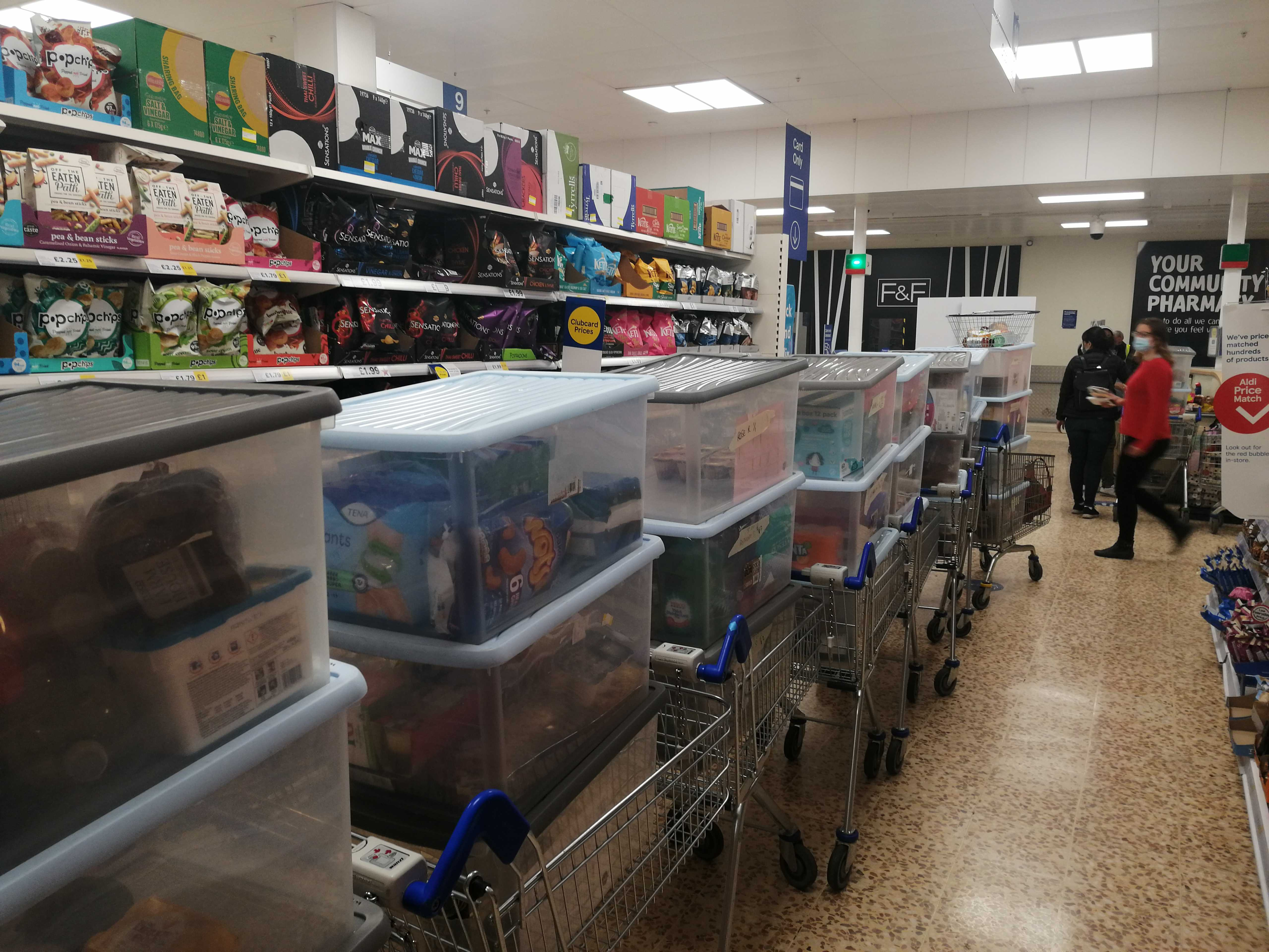
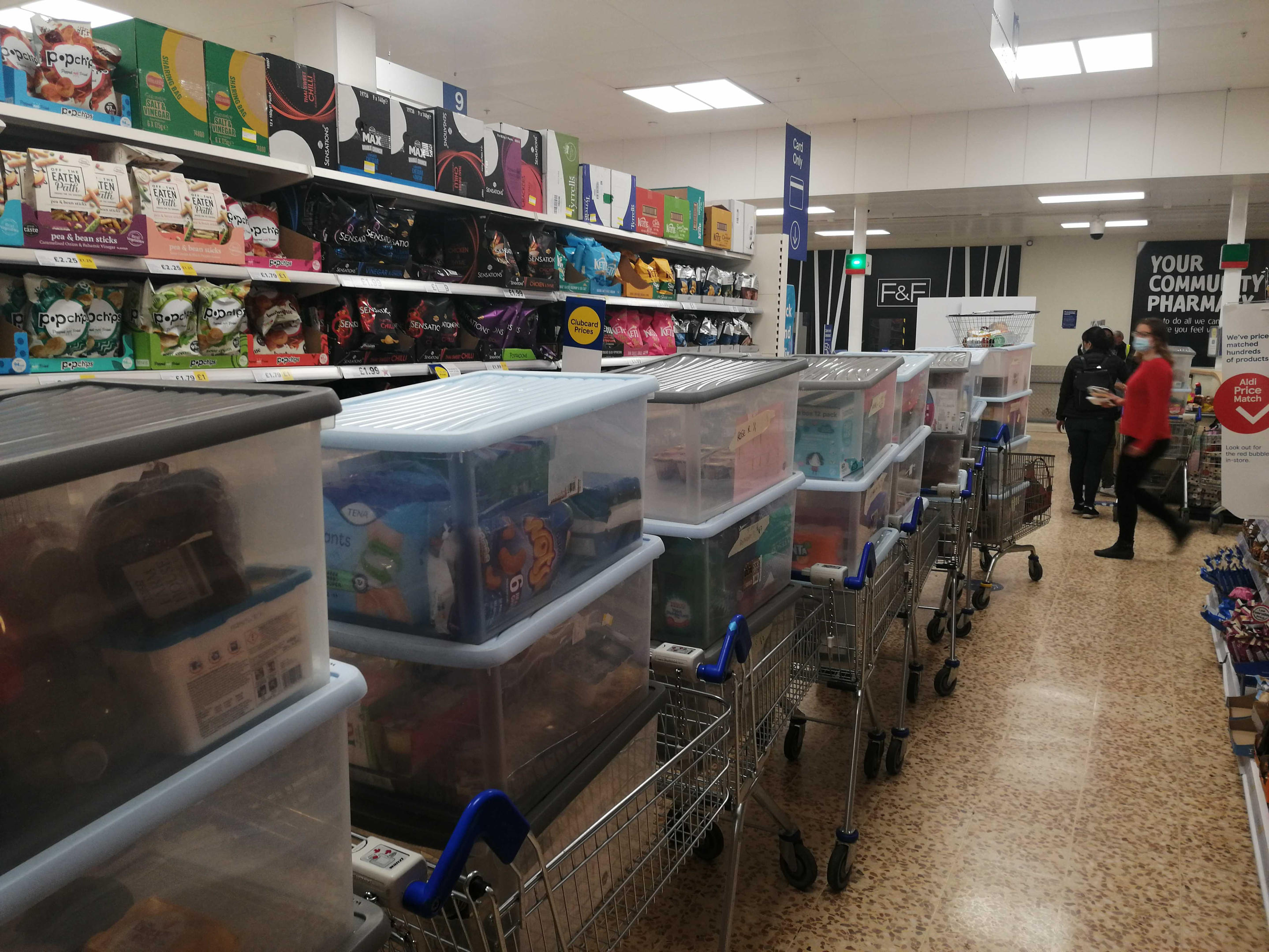
Volunteer shopping in store Shopping in Store
Organising deliveries Organising Deliveries
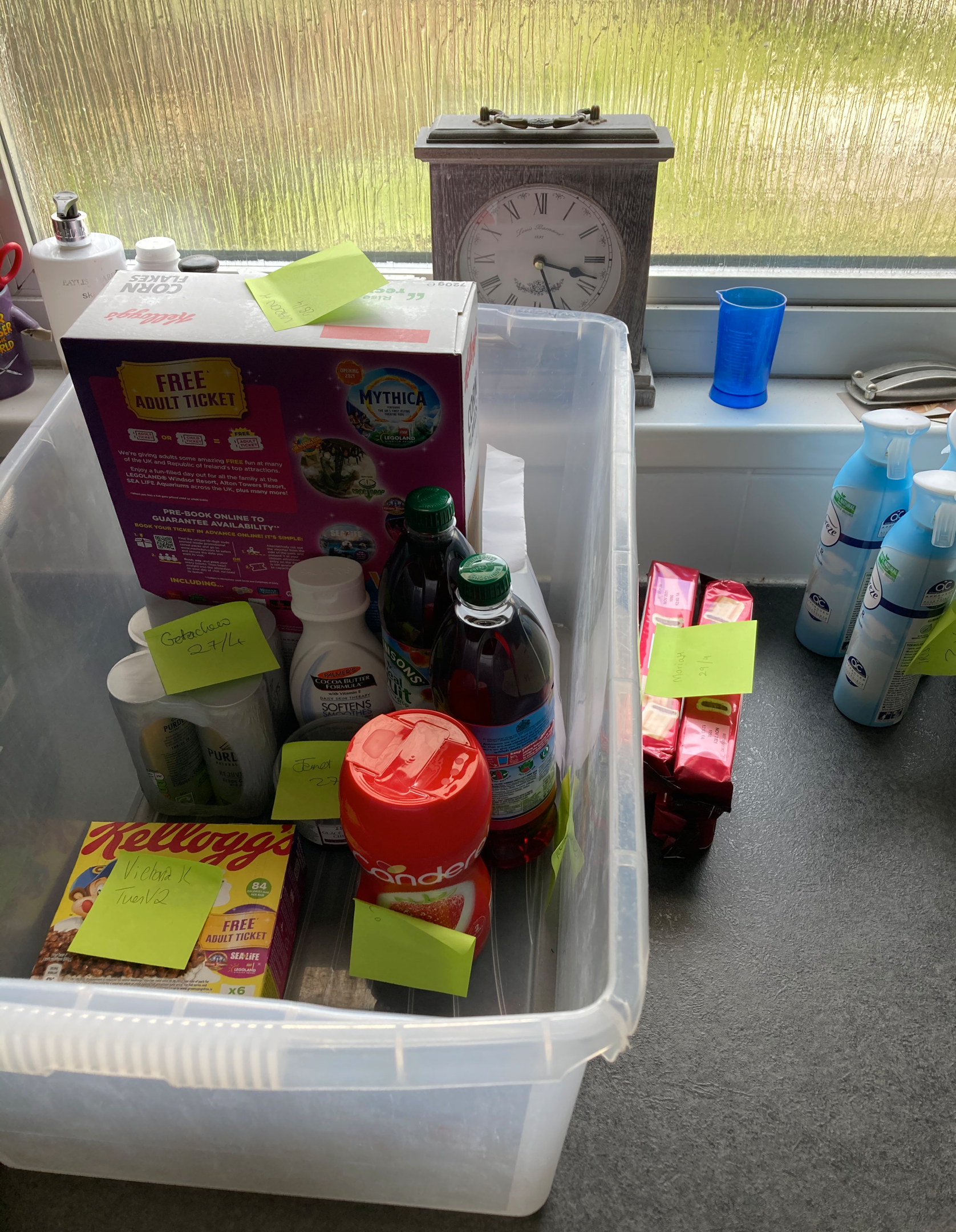
Preparing orders for delivery Preparing Orders
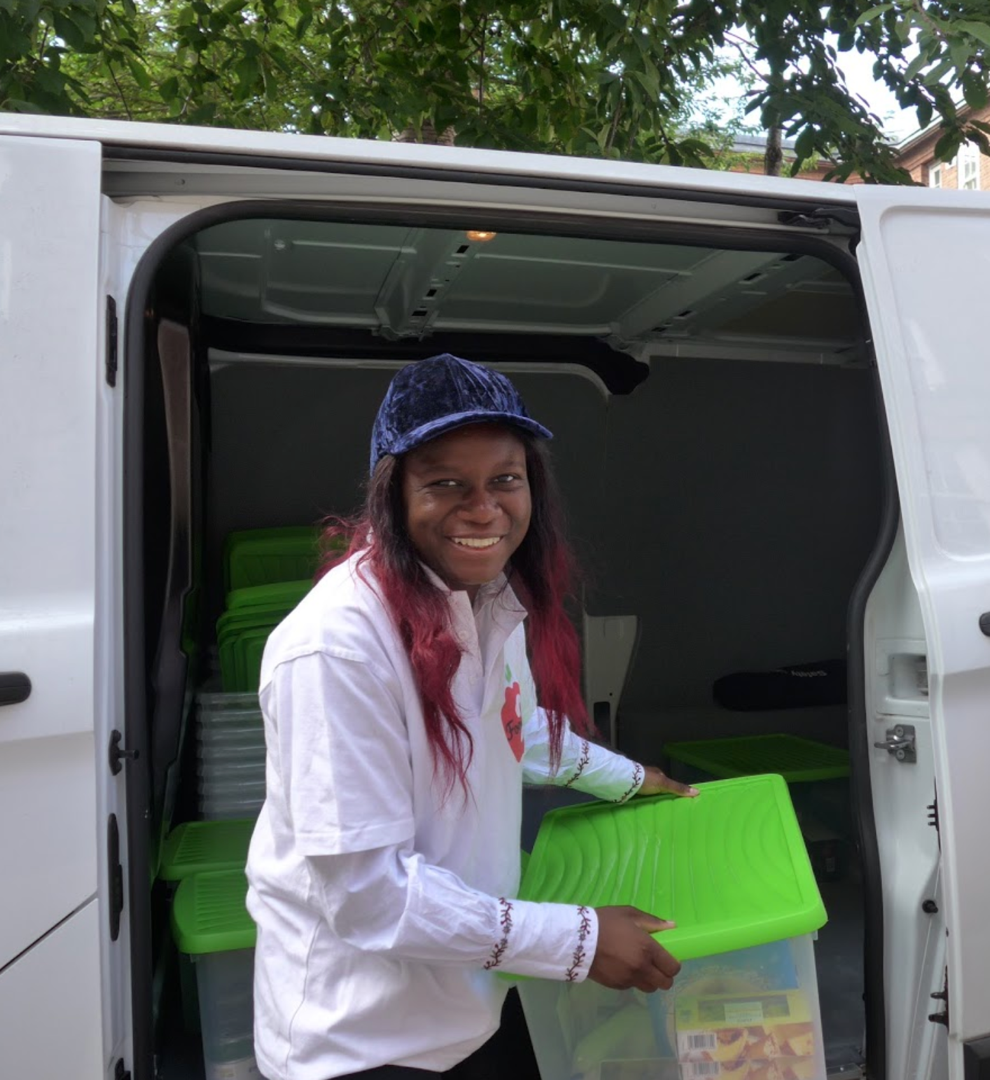
Loading the vehicle Loading the Vehicle
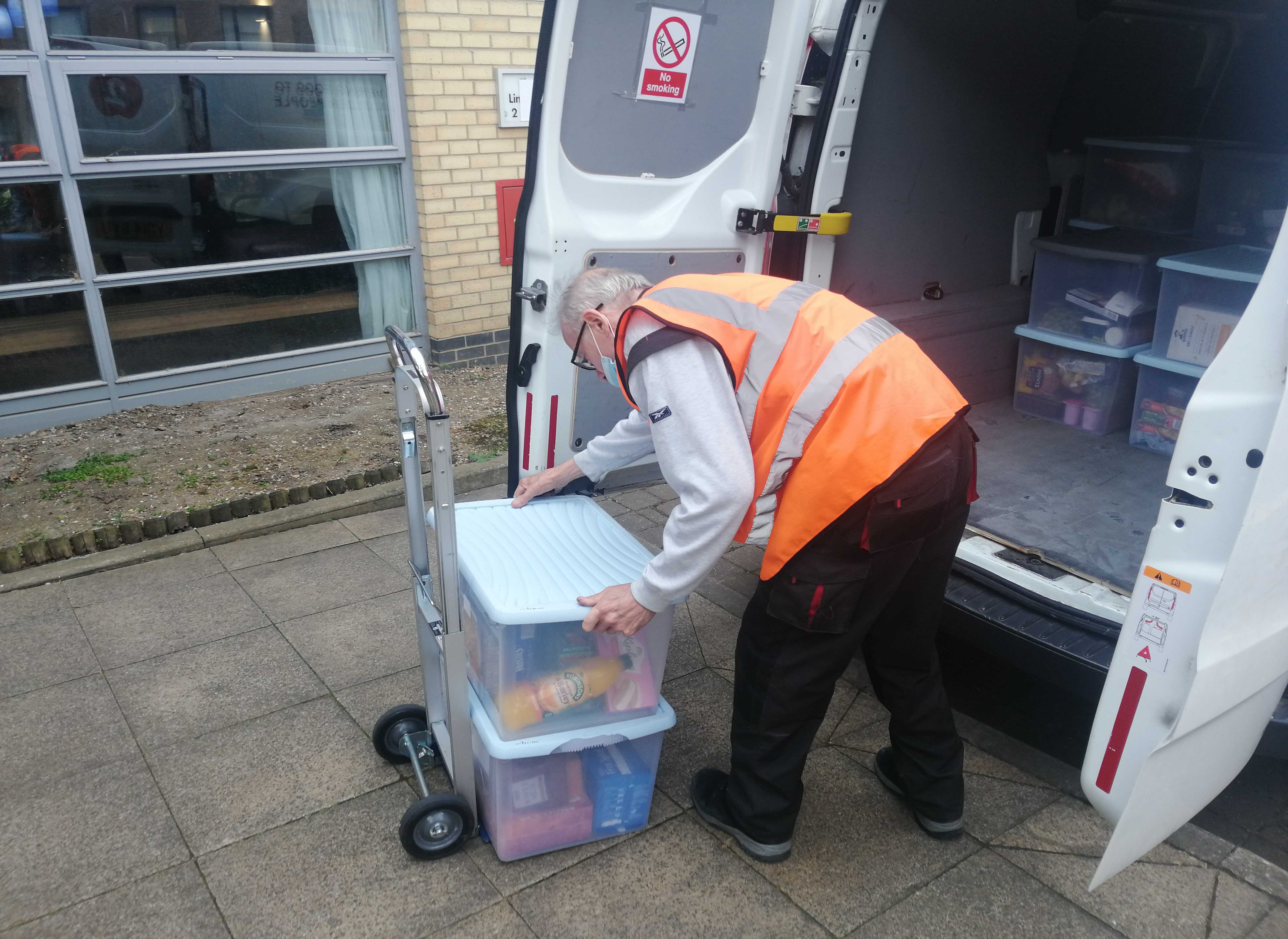
Delivering groceries to customers Delivering to Customers
Managing returns Managing Returns
Recording outcomes after delivery Recording Outcomes

Following the entire service journey helped uncover operational challenges, information gaps, and opportunities for improvement that would have been difficult to identify through interviews alone.

03 · Problems Identified

Where the gaps appeared

The research revealed that volunteer preparation, order management, delivery errors, and customer feedback were not independent challenges. They were all connected by one thing: information breakdowns between service stages. Mapping the entire journey exposed where these gaps occurred and how they affected both volunteers and customers.

"The real challenge wasn't the individual problems. It was the lack of connection between them."
↩
Pre-Service
  • No preparation information for volunteers
  • No psychological training for sensitive visits
☎
Taking Orders
  • Repeat data entry every week
  • No use of existing technology
  • Centralised, single point of failure
🛒
Shopping
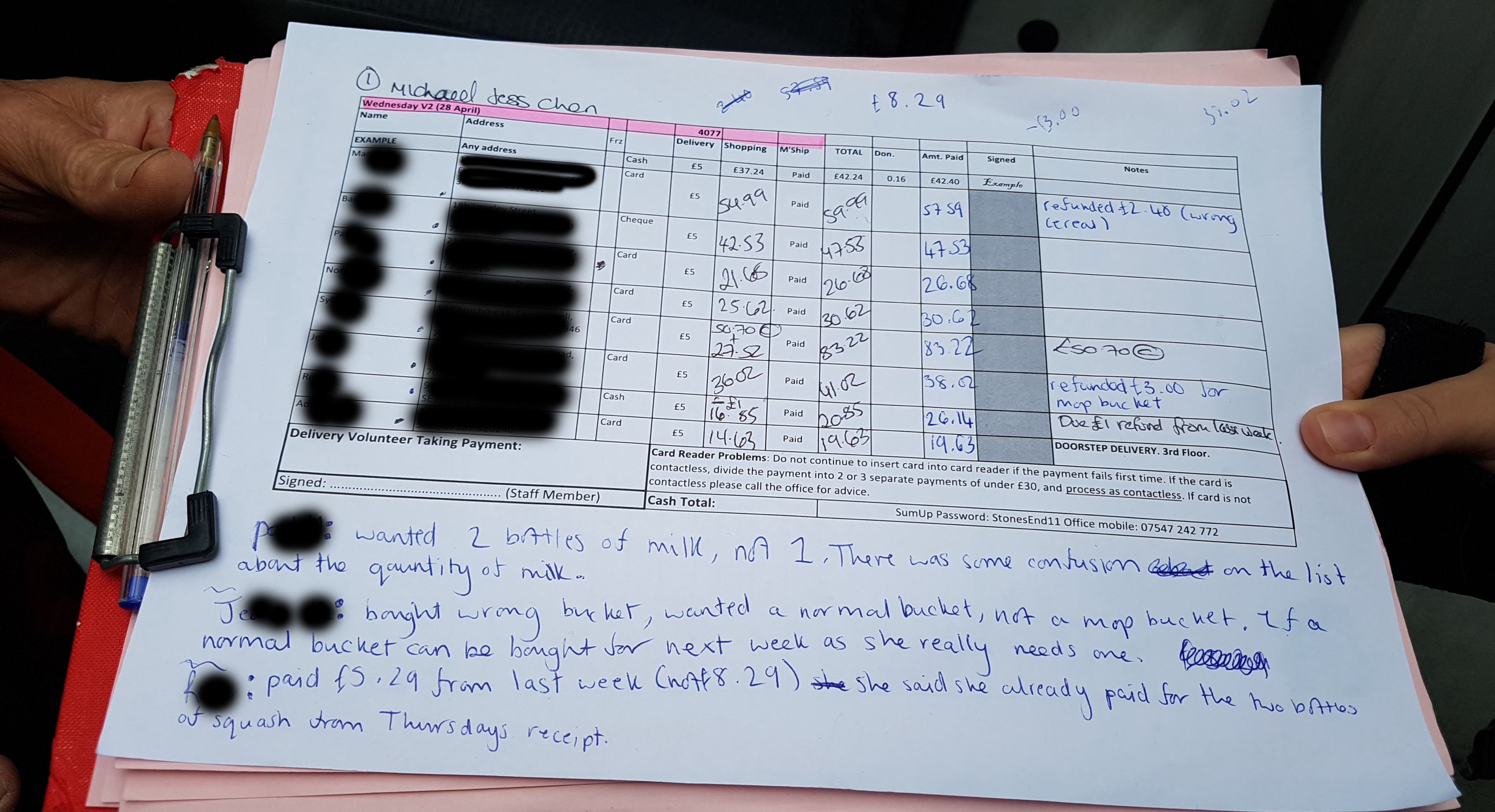
  • Handwritten lists hard to read in-store
  • No consistent format across customers
  • Lack of context about individual needs
📦
Delivery
  • Wrong orders due to communication errors
  • No easy route for flagging or correcting issues
↪
Post-Service
  • No feedback from customer to coordinator
  • Service value invisible to those delivering it

Understanding these relationships shifted the focus from fixing isolated issues to improving the service as a whole.

Research insights mapped across the service journey
Insights Mapped Across the Service — Once laid out together, the inter-related nature of the problems became the defining insight of the project.

Proposal 1: Pre-Service

Problem
Volunteer anxiety
Proposal
Shift from volunteering to partnerships
Service Stage
Pre-Service
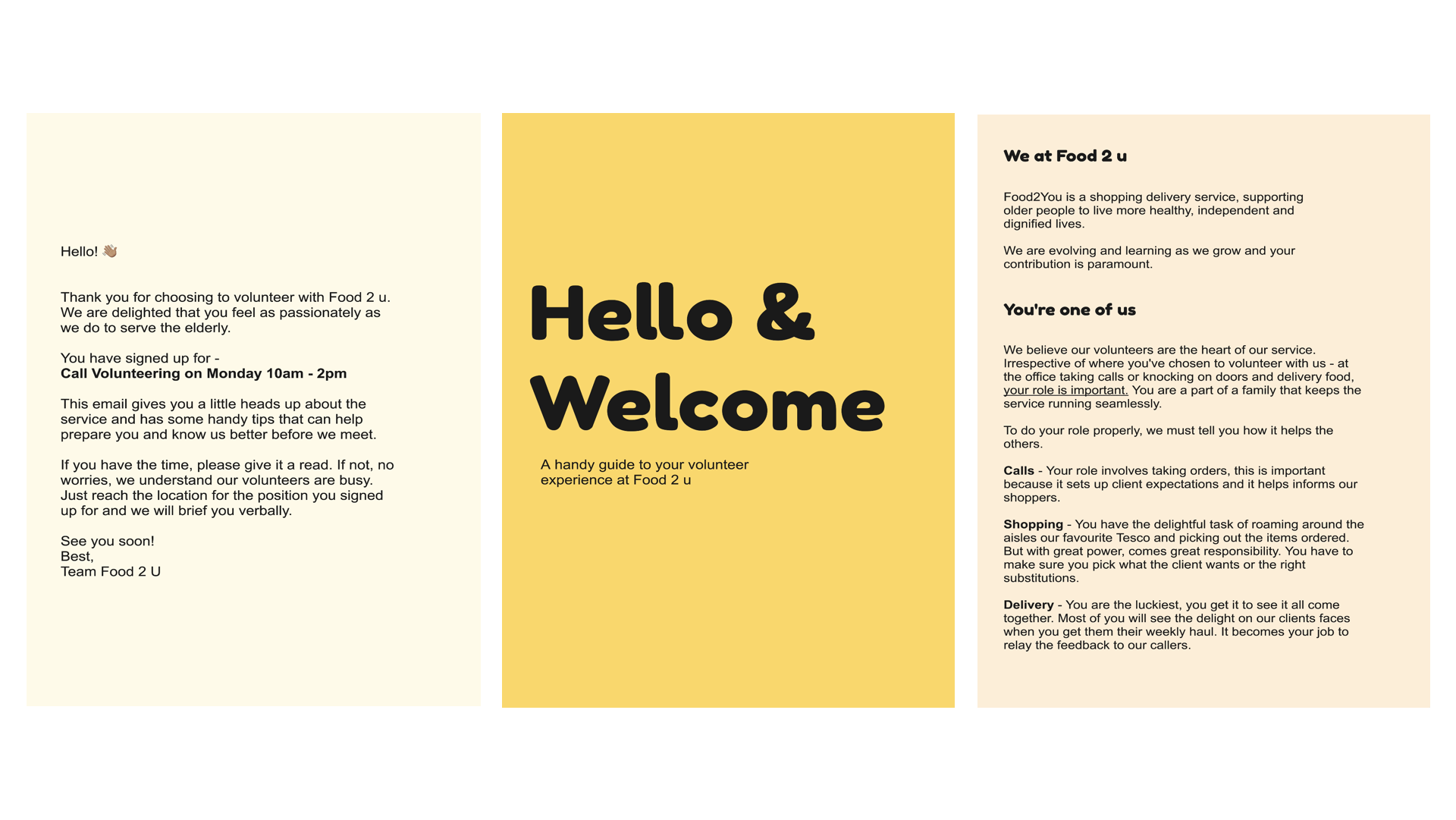
Email to set expectations Volunteer welcome guide Psychological training Breaking independent silos Reduce anxiety

Making volunteers feel prepared, not just recruited

Volunteers were showing up without knowing what to expect — visiting elderly customers, navigating unexpected emotional moments, and managing dietary complexity without adequate context. The proposal reframed the volunteer relationship from a transactional sign-up into a meaningful partnership, supported by a welcome email sequence and a guide that communicated the mission, set practical expectations, and gave volunteers tools to feel psychologically ready.

Proposal 1 — volunteer welcome email and onboarding guide prototype
Volunteer Welcome Experience — A quick prototype of the welcome email and guide, designed to reduce anxiety and communicate the mission before the first delivery.

Proposal 2: During Service

Problem
Inefficient method of taking orders
Proposal
Redesign and digitise order management
Service Stage
During Service
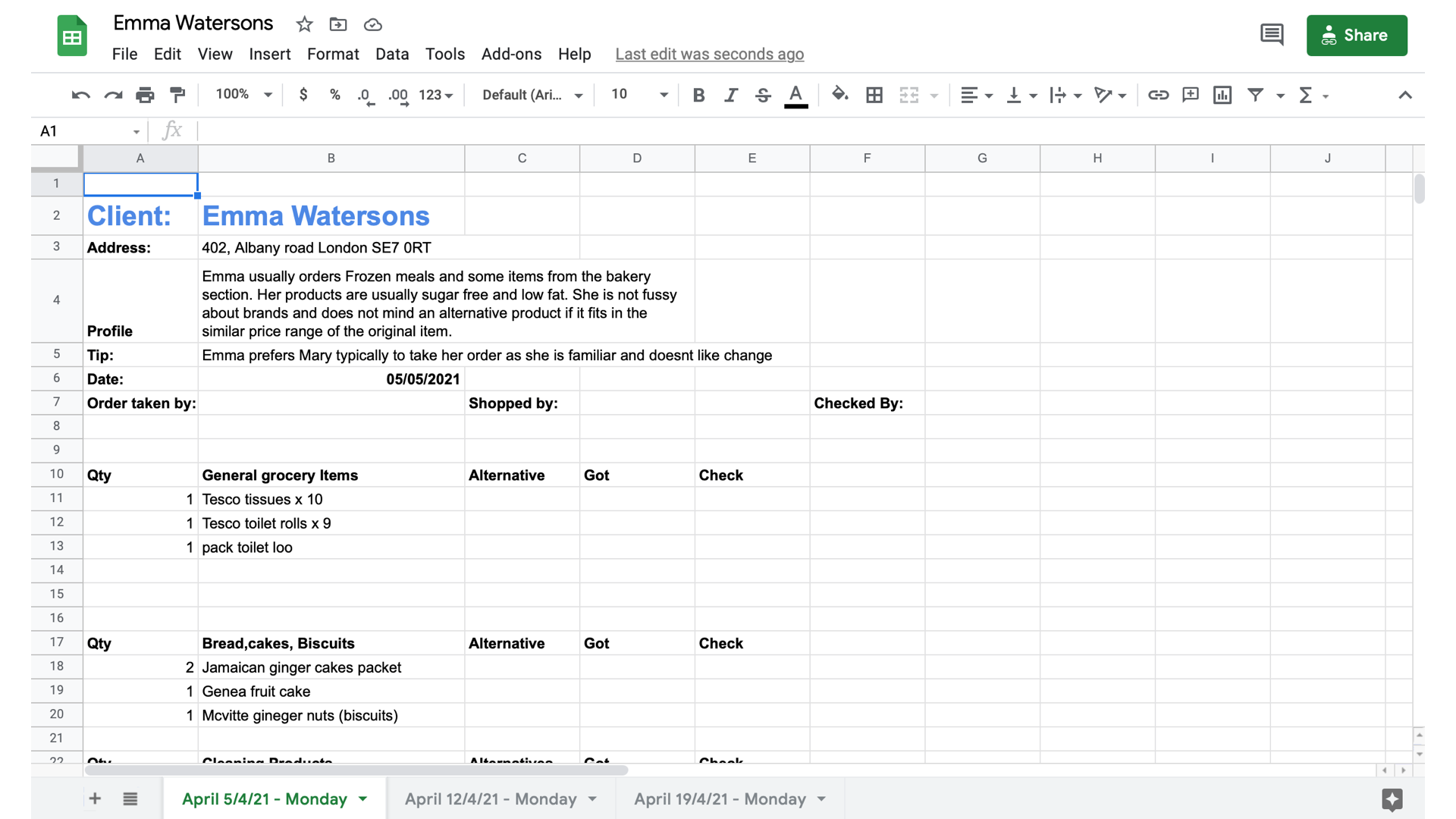
Master route sheet Per-customer profiles Frozen item filters Weekly order history Streamline process

From handwritten lists to a system that actually works

Orders were being taken by phone and written by hand — then reinterpreted in a busy supermarket aisle. The proposal replaced this with two linked Google Sheets: a master route sheet containing all delivery data, with filters for frozen items and weekly history; and individual customer sheets giving volunteers a bio and order context before they even step through the door. The result was less repeat work, fewer errors, and more confidence in the aisle.

Proposal 2 — digitised order management spreadsheet prototype
Digitised Order Management — A master route sheet and customer-specific profiles, redesigned in Google Sheets for easy use by any volunteer, any week.

Proposal 3: Post-Service

Problem
No feedback loop, frustrations across the journey
Proposal
Build a community network
Service Stage
Post-Service
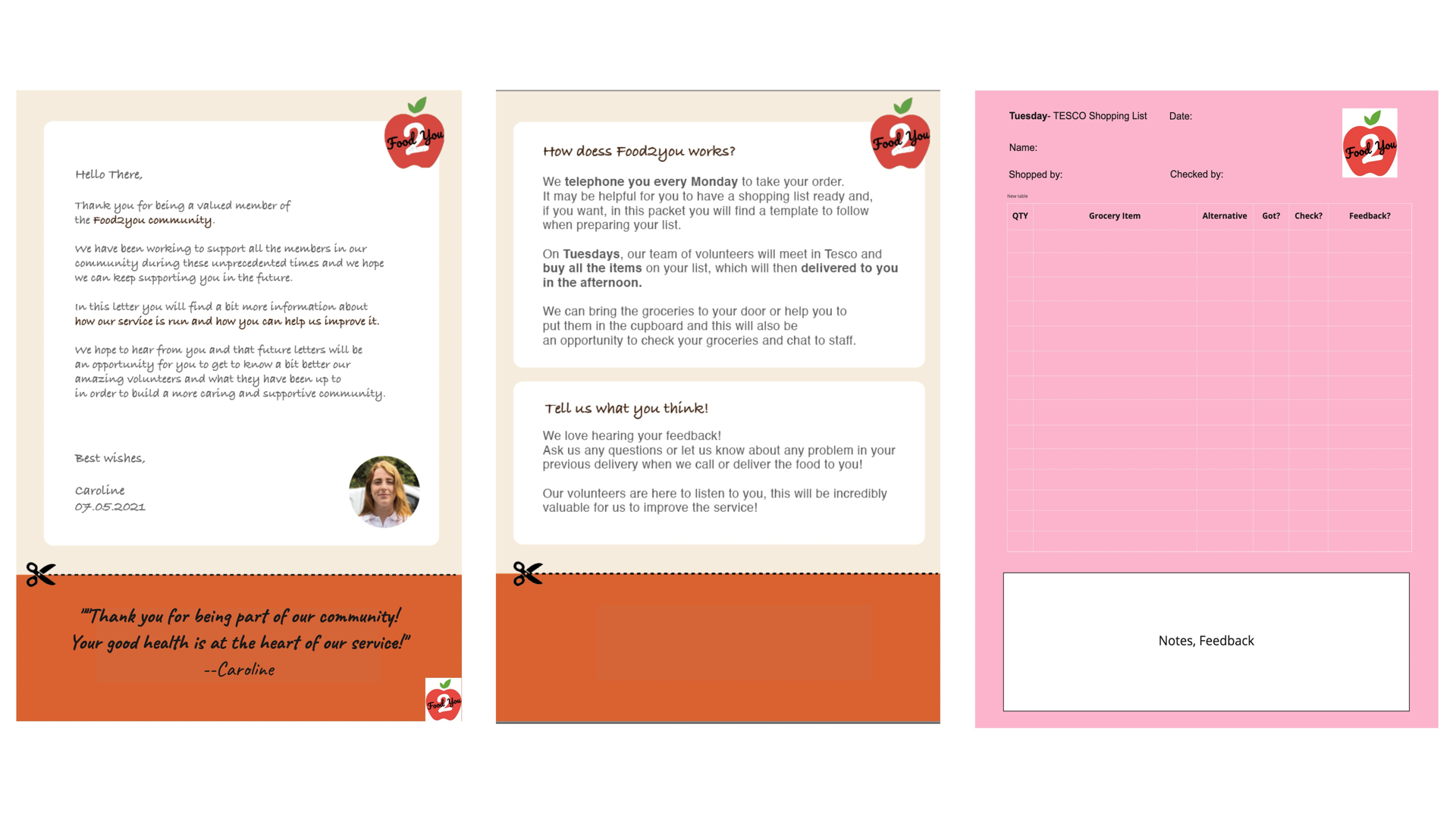
Thank you letter Community survey Voice to customers Feedback form Complete the loop

Closing the loop between delivery and community

Once the shopping was unpacked and the volunteer left, the service went completely silent. Customers had no way to give feedback. Volunteers had no way of knowing whether their delivery made a difference. The proposal introduced a simple post-service touchpoint: a thank-you letter that personalised the relationship, a short feedback form that gave customers a voice, and a community survey that surfaced the real value of the service back to those delivering it.

Proposal 3 — community feedback letter and survey prototype
Community Feedback System — A thank-you letter, customer survey, and feedback form designed to give the community a voice and volunteers a sense of impact.
"
It is such a great idea, I am just going to print this out and set it up after this call.
AgeUK Lewisham Manager  ·  Feedback during the design sprint presentation

What was delivered

Pre-Service: A volunteer welcome system

An email sequence and guide that reframes the volunteer relationship — reducing anxiety, setting clear expectations, and communicating the mission before the first delivery even happens.

During Service: Digitised order management

A master route sheet and customer-specific profiles in Google Sheets — replacing hand-written lists with structured, accessible data that any volunteer can read clearly in a busy supermarket.

Post-Service: Community feedback loop

A thank-you letter, feedback form, and community survey that close the gap between delivery and recognition — giving customers a voice and volunteers visibility into the value they create.

Immediate client implementation

The AgeUK Lewisham manager confirmed during the presentation that the proposals were ready to use immediately — no development sprint, no procurement process, no months of sign-off.

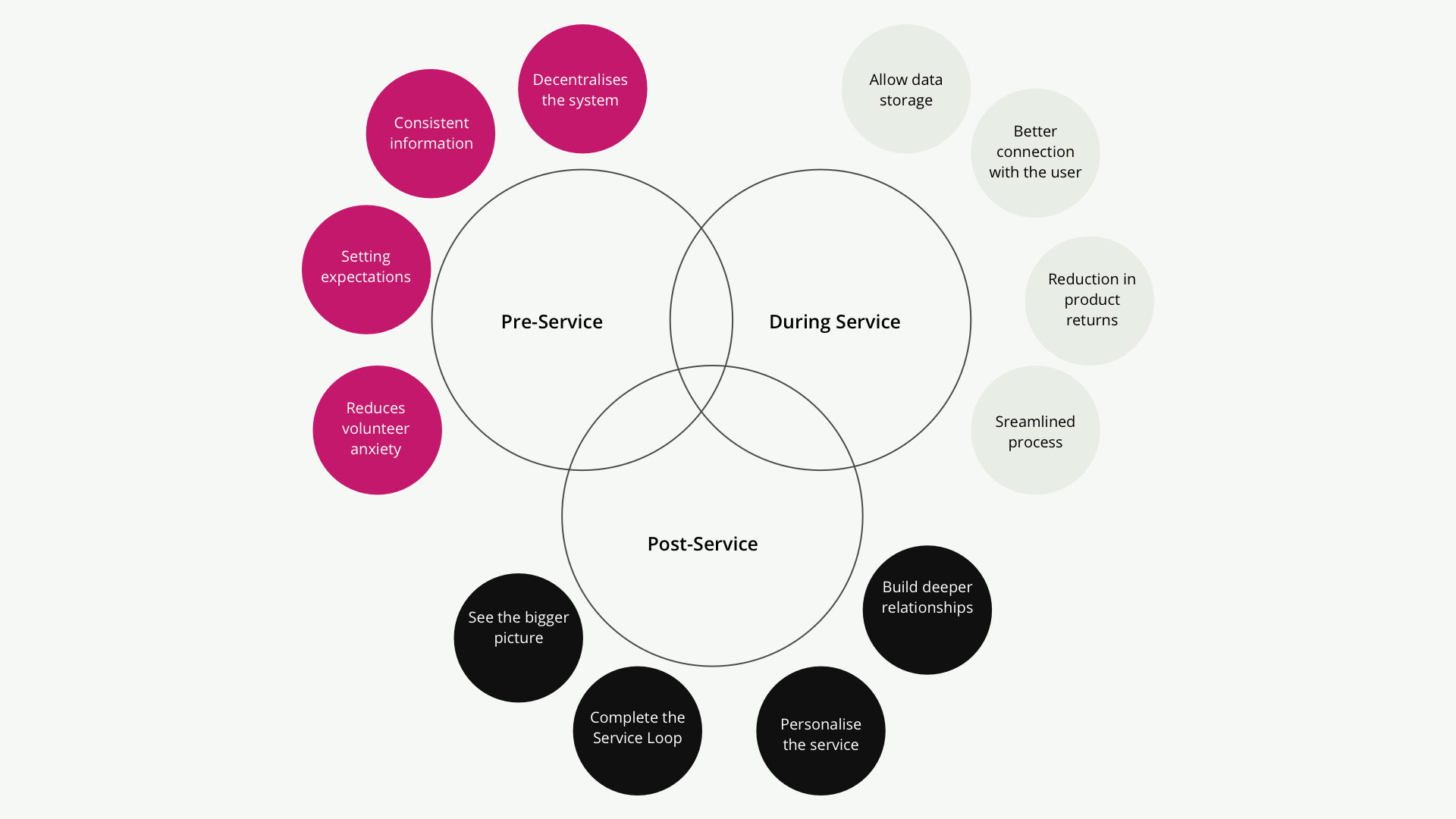
Values and impact diagram showing Pre, During, and Post-Service outcomes mapped across the system
Values Created Across the Service — Consistent information, decentralised systems, volunteer confidence, community connection, and a complete feedback loop.
06 · Reflection

What I took away from this

This project reminded me that good design doesn't have to be complex. In community services especially, practical solutions that fit existing behaviours often create more impact than ambitious new systems.

One piece of feedback has stayed with me:

"I'm just going to print this out and set it up after this call."

A simple reminder that usefulness often matters more than novelty.

Reflection on the AgeUK Food2You service design project